Be yourself; Everyone else is already taken.
— Oscar Wilde.
This is the first post on my new blog. I’m just getting this new blog going, so stay tuned for more. Subscribe below to get notified when I post new updates.
Be yourself; Everyone else is already taken.
— Oscar Wilde.
This is the first post on my new blog. I’m just getting this new blog going, so stay tuned for more. Subscribe below to get notified when I post new updates.
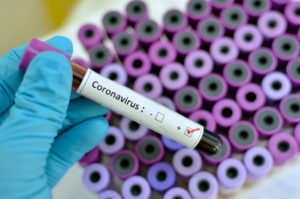
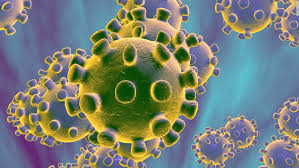

What is a coronavirus?
Coronaviruses are an extremely common cause of colds and other upper respiratory infections. These viruses are zoonoses, which means they can infect certain animals and spread from one animal to another. A coronavirus can potentially spread to humans, particularly if certain mutations in the virus occur.
Chinese health authorities reported a group of cases of viral pneumonia to the World Health Organization (WHO) in late December 2019. Many of the ill people had contact with a seafood and animal market in Wuhan, a large city in eastern China, though it has since become clear that the virus can spread from person to person
What are the symptoms of this coronavirus?
The symptoms can include a cough, possibly with a fever and shortness of breath. There are some early reports of non-respiratory symptoms, such as nausea, vomiting, or diarrhea. Many people recover within a few days. However, some people — especially the very young, elderly, or people who have a weakened immune system — may develop a more serious infection, such as bronchitis or pneumonia.
How is it treated?
Scientists are working hard to understand the virus, and Chinese health authorities have posted its full genome in international databases. Currently, there are no approved antivirals for this particular coronavirus, so treatment is supportive. For the sickest patients with this illness, specialized, aggressive care in an intensive care unit (ICU) can be lifesaving.
The bottom line.
Given the current spread of this virus and the pace and complexity of international travel, the number of cases and deaths will likely to continue to climb. We should not panic, even though we are dealing with a serious and novel pathogen. Public health teams are assembling. Lessons learned from other serious viruses, such as SARS and MERS, will help. As more information becomes available, public health organizations like the Centers for Disease Control (CDC) in the US and the World Health Organization (WHO) will be sharing key information and strategies worldwide.

This is an example post, originally published as part of Blogging University. Enroll in one of our ten programs, and start your blog right.
You’re going to publish a post today. Don’t worry about how your blog looks. Don’t worry if you haven’t given it a name yet, or you’re feeling overwhelmed. Just click the “New Post” button, and tell us why you’re here.
Why do this?
The post can be short or long, a personal intro to your life or a bloggy mission statement, a manifesto for the future or a simple outline of your the types of things you hope to publish.
To help you get started, here are a few questions:
You’re not locked into any of this; one of the wonderful things about blogs is how they constantly evolve as we learn, grow, and interact with one another — but it’s good to know where and why you started, and articulating your goals may just give you a few other post ideas.
Can’t think how to get started? Just write the first thing that pops into your head. Anne Lamott, author of a book on writing we love, says that you need to give yourself permission to write a “crappy first draft”. Anne makes a great point — just start writing, and worry about editing it later.
When you’re ready to publish, give your post three to five tags that describe your blog’s focus — writing, photography, fiction, parenting, food, cars, movies, sports, whatever. These tags will help others who care about your topics find you in the Reader. Make sure one of the tags is “zerotohero,” so other new bloggers can find you, too.

 learnguitarlessons.music.blog