The new coronavirus: What we do — and don’t — know
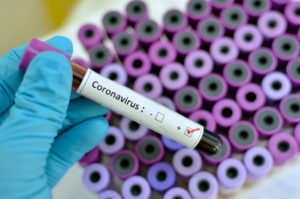
Blood sample with respiratory coronavirus positive 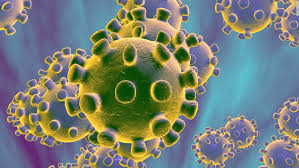

What is a coronavirus?
Coronaviruses are an extremely common cause of colds and other upper respiratory infections. These viruses are zoonoses, which means they can infect certain animals and spread from one animal to another. A coronavirus can potentially spread to humans, particularly if certain mutations in the virus occur.
Chinese health authorities reported a group of cases of viral pneumonia to the World Health Organization (WHO) in late December 2019. Many of the ill people had contact with a seafood and animal market in Wuhan, a large city in eastern China, though it has since become clear that the virus can spread from person to person
What are the symptoms of this coronavirus?
The symptoms can include a cough, possibly with a fever and shortness of breath. There are some early reports of non-respiratory symptoms, such as nausea, vomiting, or diarrhea. Many people recover within a few days. However, some people — especially the very young, elderly, or people who have a weakened immune system — may develop a more serious infection, such as bronchitis or pneumonia.
How is it treated?
Scientists are working hard to understand the virus, and Chinese health authorities have posted its full genome in international databases. Currently, there are no approved antivirals for this particular coronavirus, so treatment is supportive. For the sickest patients with this illness, specialized, aggressive care in an intensive care unit (ICU) can be lifesaving.
The bottom line.
Given the current spread of this virus and the pace and complexity of international travel, the number of cases and deaths will likely to continue to climb. We should not panic, even though we are dealing with a serious and novel pathogen. Public health teams are assembling. Lessons learned from other serious viruses, such as SARS and MERS, will help. As more information becomes available, public health organizations like the Centers for Disease Control (CDC) in the US and the World Health Organization (WHO) will be sharing key information and strategies worldwide.
 learnguitarlessons.music.blog
thanks for your information
LikeLike